
Educational content only. No promises of outcomes.

Understanding Habit Formation Through Nutritional Physiology

An informational exploration of how habits form, develop, and persist in everyday eating contexts. This resource examines the neurological, physiological, and environmental dimensions of habit-based behaviors.

Mindful morning coffee

The Neurological Foundation of Habit Loops

Cue, Routine, Reward: The Core Framework

Habits operate through a well-established neurological pattern. The brain receives a cue—a stimulus or trigger from the environment. This cue activates a routine—a behavioral response that becomes automatic through repetition. Finally, the brain experiences a reward—a consequence that reinforces the connection between cue and routine.

This three-part cycle, repeated consistently over time, creates neural pathways that make the behavior increasingly automatic. The brain begins to anticipate the reward when the cue appears, strengthening the habit loop itself.
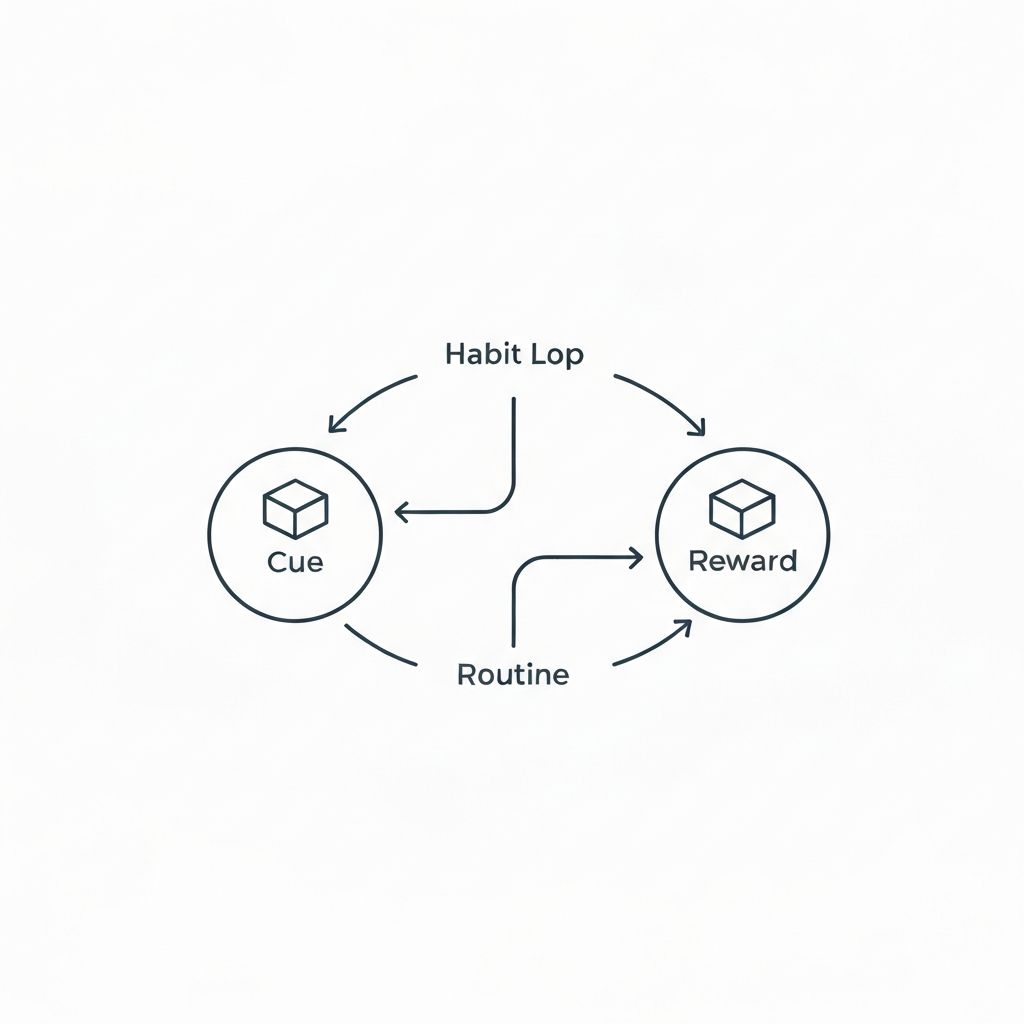

Habit loop visualization

Cue Formation in Eating Contexts

Fresh green apple

Environmental Triggers and Recognition

Cues in eating habits are environmental anchors—anything from the sight of food, the smell of cooking, a particular time of day, or even an emotional state. Over time, the nervous system becomes sensitized to these cues, recognizing them as predictors of the upcoming routine and reward.

Research in nutritional neuroscience describes how repeated exposure to specific food-related cues can strengthen neural associations. The brain learns to anticipate reward before the actual eating experience occurs, which is why cues alone can trigger appetite or craving responses.

Reward Prediction & Food Preferences

Food-related rewards engage complex neural systems involving dopamine and other neurotransmitters. The brain does not simply register pleasure; it learns to predict reward based on sensory signals—taste, texture, aroma, and visual appearance. This predictive function is central to how food preferences develop and persist.

When a food is consumed repeatedly in the same context, the brain progressively strengthens its reward prediction for that food. This explains why familiar foods often feel more rewarding than novel ones, and why preferences can become quite stable over extended periods.

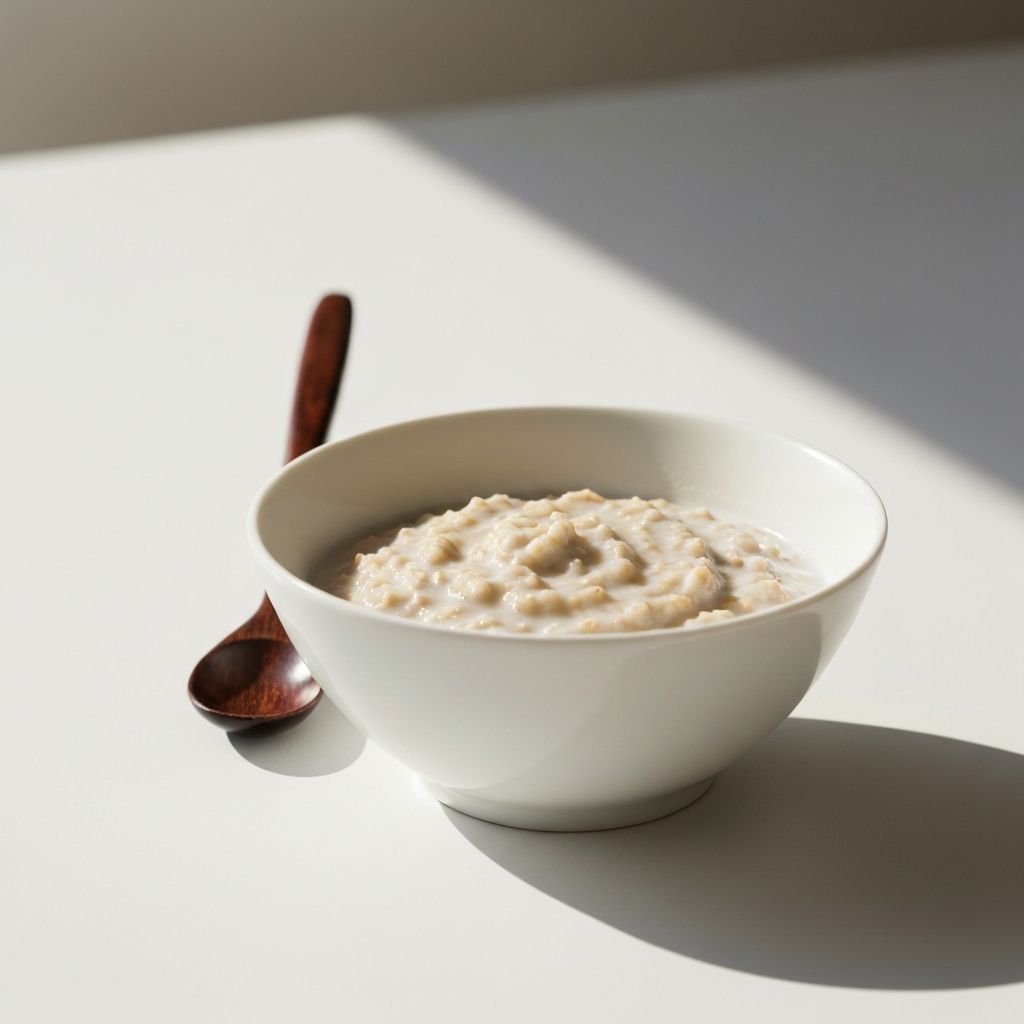
Simple bowl with oatmeal

Environmental Triggers in Daily Routines

The physical and social environment plays a significant role in habit formation and expression. Contextual cues—the kitchen layout, the presence of others, the time on the clock—become linked to habitual eating behaviors. These environmental factors operate largely outside conscious awareness, yet they powerfully influence when and what people eat.

Understanding the role of environmental architecture in habit expression helps explain why changing one's physical surroundings can sometimes disrupt established patterns, and why returning to familiar settings often reactivates dormant habits.

Meal Timing Entrainment & Metabolic Patterns

Consistency and Physiological Adaptation

Regular meal timing influences not only behavioral habit formation but also physiological systems. The body's circadian rhythms and metabolic processes become entrained—synchronized—to consistent meal schedules. The digestive system prepares in advance of expected eating times, and hunger signals often align with habitual meal times.

This bidirectional relationship between behavioral consistency and physiological adaptation demonstrates that habits involve both neural learning and systemic physiological adjustment. Changing meal timing requires not only behavioral adaptation but also time for metabolic systems to re-entrain.

Simple breakfast plate with bread and basil

Common Habit Formation Myths Clarified

  • Myth: Habits form in exactly 21 days. Reality: Habit formation varies dramatically between individuals and behaviors, ranging from weeks to months depending on complexity and context.
  • Myth: Breaking a habit is simply about willpower. Reality: Habit change involves modifying environmental cues, the routine itself, and the reward experience—not willpower alone.
  • Myth: All habits are subconscious and automatic. Reality: Habits exist on a spectrum; some remain conscious while others become truly automatic, and the level of automaticity varies by situation.
  • Myth: Food preferences are fixed and unchangeable. Reality: Food preferences can shift over time through repeated exposure, context changes, and altered reward predictions.
  • Myth: Eliminating a cue eliminates the habit. Reality: While cue avoidance can be effective, the underlying neural pathway may persist, and exposure to the cue later can reactivate the pattern.
  • Myth: Larger meals must follow more intense hunger. Reality: Meal size and hunger intensity are only loosely correlated; habit and environmental cues often drive portion consumption more than physiological hunger.

Featured Insights from Our Research

Neurological structure visualization

The Neurological Habit Loop Explained

A comprehensive exploration of the cue-routine-reward cycle and how neural pathways strengthen through repetition in eating behavior contexts.

Explore the full explanation →
Environmental food cues

Cue Development in Daily Eating

How environmental triggers become associated with eating routines and how these associations grow stronger through repeated exposure.

Read more on this topic →
Reward prediction in brain

Reward Systems & Food Choice

Understanding how food-related rewards engage neural systems and shape preference development over time through predictive learning.

Continue with the science →
Environmental context

Environmental Influences on Eating Routines

The role of physical and social context in habit expression, and how environmental architecture shapes eating behavior patterns.

View related insights →
Timing and consistency

Timing Consistency & Metabolic Response

How regular meal timing entrains both behavioral habits and physiological systems, creating bidirectional adaptation patterns.

Explore the full explanation →
Myth clarification

Common Misconceptions About Habit Change

Evidence-based clarifications of widespread myths about habit formation, persistence, and change in nutritional contexts.

Read the full article →

Food-Cue Associations in Context

Water glass in natural light

Cue-response associations are not random. They form through repeated pairing of a specific cue with a specific routine and reward. The strength of the association depends on the consistency of pairing, the salience of the cue, and the intensity of the reward. Understanding this framework provides insight into why some eating habits persist strongly while others remain weak and easily disrupted.

Frequently Asked Questions

How do habits differ from routines?

A routine is a sequence of actions performed consciously. A habit is a routine that has become automatic through repetition—it requires minimal conscious attention. The transition from routine to habit reflects changes in brain activation patterns as behaviors become more automatic through learning.

Can food preferences truly change, or are they fixed?

Food preferences are not fixed. Research shows they can shift through repeated exposure, context changes, and altered associations between food and outcomes. Preference change typically requires consistent new experiences and can take weeks to months depending on the food and individual factors.

What role does reward prediction play in eating habits?

Reward prediction is central to eating habits. The brain learns to predict reward based on sensory cues from food. This predictive system operates largely outside awareness but strongly influences appetite, craving, and food choice. Changing reward associations requires altering the food experience or context repeatedly.

Why do some people develop eating habits more easily than others?

Habit formation varies based on individual differences in learning speed, sensitivity to reward, stress response, and environmental factors. Some people's nervous systems may show faster habit consolidation, while others may require more repetition. Environmental consistency also plays a significant role.

Can changing my environment help modify eating habits?

Environmental change can be powerful because many eating cues are contextual. Removing cues, altering visual exposure to foods, or changing the physical setup of eating spaces can disrupt established patterns. However, the underlying neural pathway may persist, and reexposure to the original environment can reactivate habits.

How does meal timing affect eating patterns?

Consistent meal timing creates both behavioral habit loops and physiological adaptations. The digestive system becomes entrained to expected eating times, and hunger signals align with habitual patterns. Changing meal timing requires both behavioral adjustment and time for physiological systems to re-entrain.

Deepen Your Understanding

Explore our detailed insights into the science of habit formation and nutritional physiology. Each article examines a specific aspect of how habits develop, persist, and interact with our daily eating experiences.

Explore All Insights